The Nature of Luck in Casino Games
Luck is an essential component of the casino experience, often overshadowing skill and strategy in many gaming situations. Players entering a casino are typically drawn by the prospect of exhilarating experiences, with the potential for unexpected winnings or losses. This unpredictability is primarily attributed to luck, as the outcomes of many games, such as slots or roulette, largely depend on chance rather than skill. In this context, luck acts as the driving force behind neosurf australia casino the thrill of gambling, making each session unique and exciting.
Casino enthusiasts are often captivated by the notion that a single lucky moment can dramatically alter their fortunes. For instance, a player may approach a gaming table feeling optimistic, only for their luck to take a downturn, leading to unexpected losses. Conversely, a lucky streak can elevate a player’s mood and keep them engaged. This dual nature of luck—both favorable and unfavorable—captures the emotional rollercoaster that is inherent in the casino gaming experience.
Moreover, the design of many casino games amplifies the role of luck. Games like craps and baccarat rely heavily on random outcomes, where previous results do not influence future events. This randomness not only adds excitement but also reinforces the idea that luck is a vital factor in the gaming experience. The psychological allure of hitting a jackpot or experiencing a winning streak contributes significantly to the enjoyment of gambling, making luck an indispensable aspect of casino gaming.
The Influence of Randomness on Winning
Randomness serves as a fundamental principle in casino gaming, providing the bedrock upon which most games are built. For example, in slot machines, the combinations of symbols that determine a win are generated by a random number generator, ensuring that each spin is entirely independent of the previous one. This inherent randomness is crucial for creating the illusion of chance and surprise, keeping players engaged and hopeful for success with every turn.
The influence of randomness extends beyond just slots; it is prevalent in card games as well. In poker, for instance, while players employ skill and strategy to outsmart their opponents, the cards drawn are still randomized. This unpredictability means that even the most skilled player can find themselves at the mercy of luck, particularly in tournament settings where one significant hand can alter the course of play. Such elements of chance can shift the dynamics of the game in an instant, emphasizing the unpredictable nature that defines casino gaming.

Additionally, the concept of ‘lady luck’ has become synonymous with gambling culture. Many players engage in rituals or superstitions in hopes of attracting good fortune, illustrating how deeply intertwined luck is with the gaming experience. From lucky charms to specific seating arrangements, these practices highlight the belief that luck can influence outcomes and enhance the thrill of the game, regardless of the odds involved. This cultural aspect of luck adds an intriguing layer to the gambling experience.
The Psychological Aspects of Luck in Gaming
Luck significantly impacts the psychological experience of players within a casino setting. The perception of luck can influence decisions, emotional states, and overall enjoyment of the game. Gamblers often experience a rush of adrenaline and excitement with every win, which is frequently attributed to lucky breaks. Conversely, a player’s emotional state can shift dramatically during a series of losses, leading to feelings of frustration or disappointment. This emotional rollercoaster is a defining feature of the gambling experience.
The ‘gambler’s fallacy’ is another psychological aspect related to luck that can affect decision-making. This belief, where individuals assume that past outcomes will influence future ones, can lead to misguided strategies and increased risk-taking. For instance, a player may keep betting on a losing streak, convinced that their luck is bound to change. Such misconceptions highlight the psychological complexities surrounding luck and its profound effects on gambling behavior, often leading players to make irrational choices.
Casinos are acutely aware of these psychological elements and often design their environments to enhance the feeling of luck. The use of vibrant lights, engaging sounds, and celebratory announcements of wins amplifies the perception of chance and fortune. By creating an atmosphere filled with excitement, casinos encourage players to embrace their lucky streaks, even if the reality of their wins is dictated by random chance. This emotional manipulation is essential for maintaining player engagement and satisfaction during gaming sessions.
The Role of Luck vs. Skill in Casino Games
A common debate within the realm of casino gaming revolves around the balance of luck versus skill. While certain games, such as poker and blackjack, involve a strategic component, many other games are predominantly reliant on luck. For example, players can apply skill to influence their decisions in blackjack, yet the card they receive ultimately hinges on chance. This dichotomy illustrates how luck can often overshadow skill, creating a unique dynamic across various gaming scenarios.
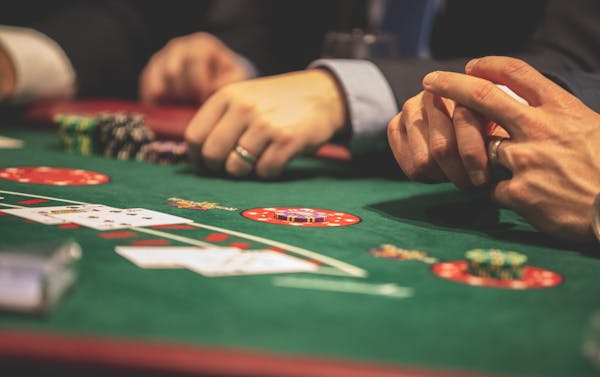
In skill-based games like poker, luck still plays a crucial role. A proficient player may consistently make better decisions, but without favorable cards, they can still fall victim to less experienced opponents who happen to draw better hands. This interplay between luck and skill can be both frustrating and exhilarating, as it ensures that no two gaming sessions are alike and outcomes remain unpredictable. Players must navigate this complexity to fully appreciate the nuances of their chosen games.
Ultimately, the interplay of luck and skill keeps casino games exciting and encourages players to return for more. Gamblers often appreciate the challenge of games that require strategic thinking, but the potential for sudden fortune due to luck is what makes casino gaming truly thrilling. Understanding this balance helps players navigate their gaming experiences, allowing them to enjoy both the strategic elements and the sheer enjoyment that comes from unpredictability.
Conclusion and Insights About Casino Gaming
In conclusion, luck is an undeniable element in casino gaming, influencing everything from the thrill of gameplay to the emotional highs and lows experienced by players. While skill can enhance a player’s chances, the random nature of most games means that luck will always remain a significant factor. The excitement derived from unknown outcomes is a primary reason why players are drawn back to casinos time and again.
Moreover, understanding the elements of luck can aid players in managing their expectations and overall enjoyment. Recognizing that luck can fluctuate, with both winning and losing streaks being integral to the experience, can help gamblers approach their gaming sessions with a healthier mindset. This awareness not only enhances the enjoyment of the game but also fosters responsible gaming habits that contribute to a more fulfilling experience.
For those looking to delve deeper into the world of casino gaming, exploring games and strategies that resonate with their understanding of luck can create a rewarding experience. Whether drawn to the thrill of chance or the challenge of skill, the world of casino gaming offers endless opportunities for excitement and discovery, making it a popular pastime for many. Embracing both the luck and skill elements can lead to a richer gaming experience, ultimately enhancing the enjoyment derived from each session.