The Role of Color and Light
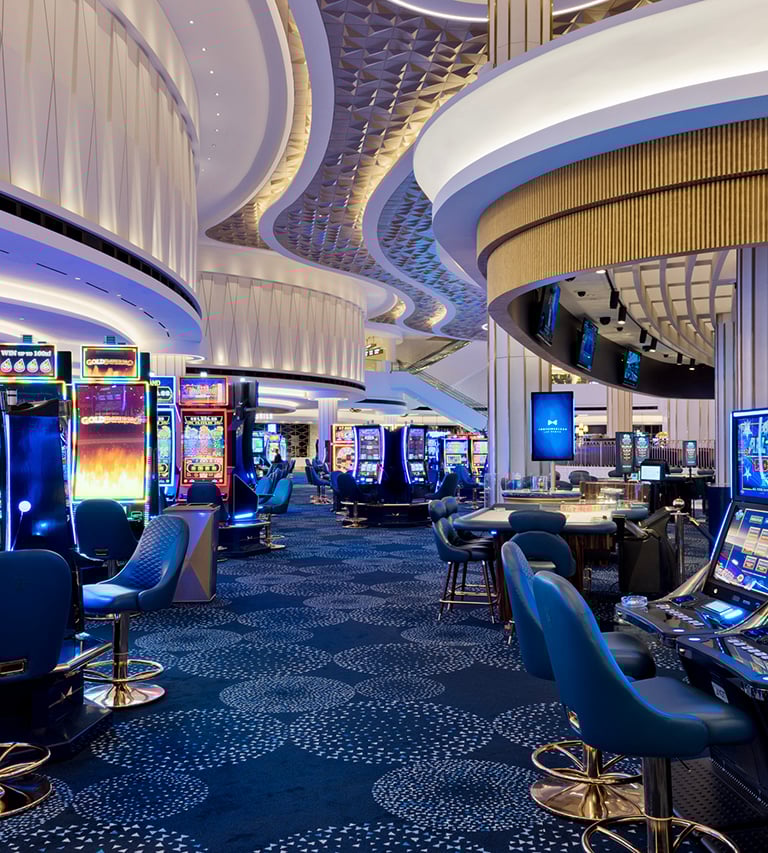
In the realm of casino game design, color and light play pivotal roles in shaping player experience and behavior. Bright colors, particularly reds and yellows, are strategically used to evoke excitement and energy. These hues can activate the brain’s reward system, making players feel more engaged and inclined to make bets, especially when exploring online casino sister sites that utilize these techniques. Similarly, the use of dynamic lighting—such as flashing lights and neon effects—creates a stimulating atmosphere that captures attention and enhances the overall sensory experience.
Moreover, the psychological impact of color extends to the perceived value of the games themselves. For instance, games designed with luxurious colors like gold and purple often promote a sense of exclusivity and prestige. These colors can create an emotional connection, prompting players to associate positive feelings with the game. This connection can lead to longer play sessions, as players will be more inclined to return to experiences that they find visually appealing and emotionally satisfying.
Lighting also serves to guide player focus and intention. By highlighting certain areas of a game or casino floor, designers can direct attention to high-stakes games or promotional areas. This strategic use of light not only enhances the aesthetic appeal but also influences player behavior, potentially increasing the likelihood of participation in specific games or activities. Overall, the intricate interplay between color and light is an essential component of effective casino game design.
Sound Design and Player Engagement
Sound design in casino games is another critical aspect that engages players on a psychological level. The auditory elements of a game, including background music and sound effects, are carefully crafted to create an immersive experience. For example, the rhythmic sound of spinning wheels or the delightful chime of winning can evoke a sense of anticipation and excitement. This auditory feedback reinforces gameplay dynamics, prompting players to remain engaged and invested in their gaming experience.
Furthermore, the repetition of specific sounds is strategically employed to create a sense of familiarity, which enhances player comfort and satisfaction. This familiarity can lead to longer gaming sessions, as players feel more at ease in an environment that resonates with their expectations. Research suggests that sound can trigger memories and emotions, further contributing to a player’s connection with the game. Designers often curate playlists that align with the game’s theme, ensuring that audio elements are not only engaging but also harmonious with the overall game aesthetic.
In addition to creating an immersive experience, sound design can influence players’ betting behavior. For instance, games that incorporate celebratory sounds during wins can condition players to continue gambling, reinforcing positive reinforcement. By understanding the psychological mechanisms behind sound, game designers can craft experiences that resonate deeply with players, enhancing both enjoyment and retention.
The Influence of Game Mechanics
Game mechanics are the backbone of casino game design, dictating how players interact with the game. These mechanics, which include betting structures, reward systems, and levels of risk, are meticulously calculated to maximize player engagement. For example, variable reward schedules, where players receive rewards at unpredictable intervals, can create a compelling gaming experience. This uncertainty keeps players guessing and engaged, aligning with the “thrill of the chase” that many gamblers find appealing.
Additionally, the introduction of progressive jackpots adds an element of excitement and potential for significant rewards. These mechanics encourage players to take risks in the hopes of achieving a major payout. By tapping into the psychological thrill of risk and reward, game designers craft experiences that not only attract players but also encourage them to invest more time and money into their gaming pursuits.
Moreover, social elements such as leaderboard functionality and multiplayer capabilities enhance engagement by fostering a sense of community among players. When players see their name on a leaderboard or engage with friends during gameplay, it creates a competitive atmosphere that motivates further play. Understanding these psychological principles enables designers to create games that are not only entertaining but also highly addictive, driving players to return repeatedly.
The Importance of Themes and Storytelling
Themes and storytelling are integral components of casino game design that enhance the player’s emotional investment. A compelling narrative can transform a simple game into an immersive experience, captivating players by allowing them to engage with a storyline. For instance, themed slot machines based on popular movies or cultural references create emotional connections that resonate with players, encouraging them to participate in the experience.

Moreover, effective storytelling in games creates a sense of progression and achievement, particularly through well-crafted game narratives. As players navigate through various levels or story arcs, they become emotionally invested in the outcomes, leading to prolonged playtime. This emotional engagement not only enhances enjoyment but also influences players’ willingness to continue investing their time and resources into the game.
Designers often utilize familiar archetypes and story structures that resonate with a wide audience, allowing players to easily connect with the content. By leveraging narrative elements, they can create a richer gaming environment that fosters loyalty and encourages repeat visits. Ultimately, the integration of themes and storytelling is a powerful tool in captivating players and driving prolonged engagement in casino gaming.
Understanding Player Psychology for Game Development
Understanding player psychology is essential for game developers seeking to create engaging casino experiences. Insights into what motivates players—such as the pursuit of excitement, social interaction, and the thrill of winning—can guide developers in creating games that resonate with their target audience. By employing psychological theories, such as the Flow Theory, designers can craft experiences that keep players in a state of deep engagement where skill meets challenge.
Furthermore, recognizing the different types of players, commonly classified into categories like socializers, competitors, and escapists, enables designers to tailor games to varied preferences. A game that combines competitive mechanics with social interaction can attract a wide audience, providing an environment where players feel connected both to the game and each other. Developers who take player psychology into account can better predict player behavior and preferences, enhancing both player satisfaction and game success.
Finally, ongoing research into player behaviors and preferences informs the iterative design process. By analyzing data from player interactions, developers can adapt and refine existing games to better meet players’ needs and expectations. This emphasis on player feedback not only improves game design but also fosters a community of engaged players who feel valued and heard. Understanding player psychology is therefore key to creating compelling casino games that attract and retain audiences.